Excessive sweating is not simply a summer nuisance or a gym side effect. For people with hyperhidrosis, sweat can soak through shirts on a cold day, bead on the palms before a routine handshake, or streak down the temples halfway through a meeting. I have watched patients plan their lives around spare shirts, napkins, and dark fabrics. When antiperspirants, prescription wipes, and lifestyle hacks fall short, botulinum toxin injections, widely known as Botox, can be a turning point. Medical botox is best known for softening forehead lines and crow’s feet, but its ability to dial down overactive sweat glands is one of the most satisfying, function-restoring uses in clinical practice.
What hyperhidrosis feels like
Clinically, we distinguish primary focal hyperhidrosis from secondary causes. Primary hyperhidrosis often shows up in the underarms, palms, soles, scalp, or face, usually starting in adolescence or early adulthood. It tends to run in families, flares with stress or heat, and can be symmetrical, left and right. Secondary hyperhidrosis can result from medications, endocrine disorders like hyperthyroidism, or infections. If someone tells me their sweating started suddenly in their 40s and drenches them even at night, I look for underlying medical causes before offering botox treatment.
Numbers do not capture the daily friction. Think of steering a wheel with soaked palms, scrolling a phone that won’t recognize your fingerprint, or feeling a wave of sweat the moment you lift your arm to write on a whiteboard. I have had patients bring in ziplock bags of ruined shirts, their cotton stiff with dried salt. The emotional toll is real. People decline dates, switch careers, or avoid eye contact in the office just to escape embarrassment. That is why a treatment that lowers sweat production for months at a time can feel like lifting a weight.
How botox tamps down sweat
Botox is a purified neurotoxin that blocks the release of acetylcholine, the chemical messenger nerves use to activate muscles and, importantly here, eccrine sweat glands. When we inject tiny doses into the skin where sweat glands are most active, the nerve endings that tell those glands to “turn on” go quiet. The glands are still there, and the body still regulates temperature in other areas, but the flood slows to a manageable trickle.
This is a targeted treatment. It does not change your whole-body sweat response, and it does not affect oil production. It is not the same as fillers or a botox lip flip, which reshape lips by easing muscle pull, or botox around eyes to smooth smile lines. The same molecule, different depth, different goal. For sweating, the technique is intradermal rather than intramuscular, and the units required vary by area.
Where botox works for hyperhidrosis
The FDA has approved on-label botox injections for severe primary axillary hyperhidrosis - in plain terms, heavy underarm sweating that has not responded to topical agents. Experienced injectors also use it off-label in other sites when appropriate:
- Underarms, the most common request, with a satisfying, predictable response curve. Palms and soles, highly effective but can be sensitive to inject and may affect grip strength temporarily. Forehead and scalp, helpful for drenching sweat along the hairline or temples, though care is needed to avoid brow heaviness. Under-breast or groin folds in select cases, where skin maceration and rashes complicate daily life.
If facial sweating bothers you especially between eyebrows, across the forehead lines, or around the upper lip, the plan must balance dryness and muscle function. Over-treating can soften frown lines and lift the brows, but it can also flatten expression if placed poorly. An experienced botox specialist will map these trade-offs before picking up a syringe.
What to expect during a botox appointment
A typical axillary session takes about 30 minutes. The prep is pragmatic. We review your medical history, including any neuromuscular conditions, planned surgeries, or recent botox treatments. If you are new to injections, expect a frank conversation about what botox is, how it works, and what side effects we watch for. A botox consultation should not feel rushed. You should understand the plan, the botox cost where you live, and how follow-up works.
We clean and mark the area. For the underarms, I often use a starch iodine test the first time to outline the most active sweat zones. It looks like a school experiment, and it is satisfying to watch the darkened spots guide our grid. A topical anesthetic or ice reduces discomfort. We dilute the medication for intradermal use and inject micro-droplets in a pattern, spaced roughly 1 to 1.5 centimeters apart. It feels like a series of tiny pinches. Patients often say the anticipation is worse than the sting.
Palms and soles need more numbing, sometimes a nerve block. These regions respond well but carry a small risk of temporary weakness in pinch strength. For the scalp and forehead, technique matters even more. We use shallow injections to avoid diffusion into muscles that lift the brow. The goal is a drier hairline without the “tired” look that first time botox clients fear.
How many units and how often
Botox units are a standardized measure on the brand’s labeling. For axillary hyperhidrosis, clinical dosing often falls between 50 and 100 units per side, sometimes more for very active sweat maps. Palms can require 50 to 60 units per hand. Forehead and scalp dosing varies widely based on surface area, hairline shape, and coexisting cosmetic goals. Rather than memorize a generic botox units chart, it is better to let your injector adapt to your sweat pattern and skin thickness.
Results begin within a few days, build over two weeks, and reach a steady state by week three. Typical duration runs four to seven months in the underarms, a bit shorter in the palms and soles because of mechanical stress and regional blood flow. I have patients who return twice a year like clockwork for maintenance. Others stretch it out, noticing a slow creep of sweat that tells them it is time for a touch up. If you ask how long does botox last, the honest answer is a range that depends on dose, site, metabolism, and technique.
Safety, side effects, and the realistic edge cases
When placed correctly, botox for excessive sweating is a low-complication procedure. The most common reactions are mild soreness, bruising at a few points, and tiny wheals that flatten within an hour. Underarm treatments rarely change muscle function. Palmar injections can, temporarily, especially if dosing strays deeper. That is why I walk patients through daily tasks that could feel different for a week or two: rock climbing, racket sports, heavy jar opening. If your job relies on fine pinch strength, that discussion happens up front.
Diffusion into nearby muscles can soften forehead movement more than planned or drop a brow slightly. An experienced injector works conservatively and invites you back in two weeks to add a few units if needed. In the underarms, the risk of compensatory sweating elsewhere is very low compared to surgical options like sympathectomy. In my practice, most patients do not notice an increase in sweat in other regions, and when they do, it tends to be mild.
Allergic reactions are rare. The medication stays local at the doses used for hyperhidrosis. We avoid treatment during pregnancy and breastfeeding because of limited safety data. People with certain neuromuscular disorders or those on aminoglycoside antibiotics need individualized planning, sometimes deferring treatment.
How it stacks up against other treatments
Topical options come first. Drugstore antiperspirants rely on aluminum salts that block pores. Prescription strength aluminum chloride can help but often irritates the skin, especially on the palms. Glycopyrronium cloths reduce sweating by blocking muscarinic receptors, a cousin pathway to acetylcholine blockade. They work for some, but side effects like dry mouth or blurry vision can be deal breakers.
Oral anticholinergics like glycopyrrolate or oxybutynin lower whole-body sweating, which can be life-changing if the burden is widespread. They are not targeted, and for many people, the systemic side effects limit daily use. Miradry, a device that uses microwave energy to ablate underarm sweat glands, can deliver permanent reduction, though not always 100 percent, and swelling or numbness can persist for weeks. I suggest it to patients who want a longer horizon and can tolerate the downtime. Iontophoresis works especially well for palms and soles using tap water or glycopyrrolate tablets in a device that drives therapy through the skin. It is effective, but it takes routine and patience.
Surgery, namely endoscopic thoracic sympathectomy, can stop palmar sweating almost entirely, but compensatory sweating on the trunk or legs is common and sometimes severe. I reserve discussion of surgery for very select cases after medical therapies, including botox injections, have been tried thoroughly.
Think of botox as high on the ladder once topicals and simple measures fail, sitting alongside iontophoresis and anticholinergics. It offers powerful local control without systemic side effects and without the permanence of surgery. That reversibility is a feature. If the dose is too light or heavy, we adjust next time. If your life changes and the sweating eases, you can space out visits.
Cost, value, and how to plan financially
Costs vary by city and by practice. Some clinics charge by the unit, others by the area. For axillary treatment, the total can range widely, often several hundred to above a thousand dollars depending on units used and local market prices. If you search “botox near me” and see a price that seems too good to be true, ask about the dose, the brand, and the injector’s credentials. A bargain with half the necessary units will not save you money if you are drenched again in two months.
Insurance coverage is inconsistent. For severe axillary hyperhidrosis that has not responded to prescription topicals, some plans cover medical botox after prior authorization. Palmar or plantar treatments are less often covered, though it varies. Clinics sometimes offer botox packages, memberships, or financing to spread the cost. I encourage patients to run the math on the months of dryness per treatment. If you get six months of sweat control, compare the cost to the hidden spend on clothing, laundry, and lost opportunities. A candid conversation with the front desk about botox price and payment options is part of a good visit, not an awkward afterthought.
The appointment day playbook
Patients often ask for a simple, repeatable plan. Here Holmdel, NJ botox is the short version I give them.
- Trim, do not shave, underarms two to three days before your visit. Shaving the day of can irritate the skin. Skip antiperspirants the morning of, especially if we are doing a starch iodine test, so we can map active zones clearly. Hydrate and eat a light meal. Avoid heavy workouts immediately before and after to reduce bruising risk. Wear a breathable top you do not mind staining with marking solution, and bring a spare if you are headed to work. Book your two-week follow-up in advance. That window is ideal to assess response and add a few units if needed.
This is one of the two lists in this article, kept brief so it stays useful. Everything else we cover in person.
Aftercare and the two-week mark
Once the last droplet is in, we apply gentle pressure and a cool pack. Redness fades over an hour. I ask patients to avoid vigorous exercise, saunas, and tight straps pressing the area for the rest of the day. Showering is fine. Makeup on the forehead is fine if we treated that area, just be gentle. There is no meaningful botox recovery time beyond common sense. If a bruise appears, it usually sits under the skin like a faint ink blot and resolves in a week.
By day three to five, you should notice less sweat. T-shirts stay drier. Palms feel less slippery during a handshake. The full effect settles in by day 14. That is the ideal moment to assess results. Bring honest feedback to your follow-up: hours of dryness, any pockets still damp, whether you felt weaker in pinch or noticed changes in expression. Fine-tuning now pays off in a cleaner plan next time.
Will you sweat more somewhere else
This is the most common fear, and it is fair to ask. Your body relies on sweating to regulate temperature. Blocking a few square inches of underarm skin does not eliminate that physiologic function. The rest of your skin still sweats. Studies and lived experience show that compensatory sweating elsewhere is uncommon with botox and, when it happens, mild. It is not comparable to the compensatory sweating that can follow sympathectomy, which can be significant. I tell patients to be alert but not anxious. If you notice your back feels slightly damper during workouts, mention it. We can adjust dosing and distribution.
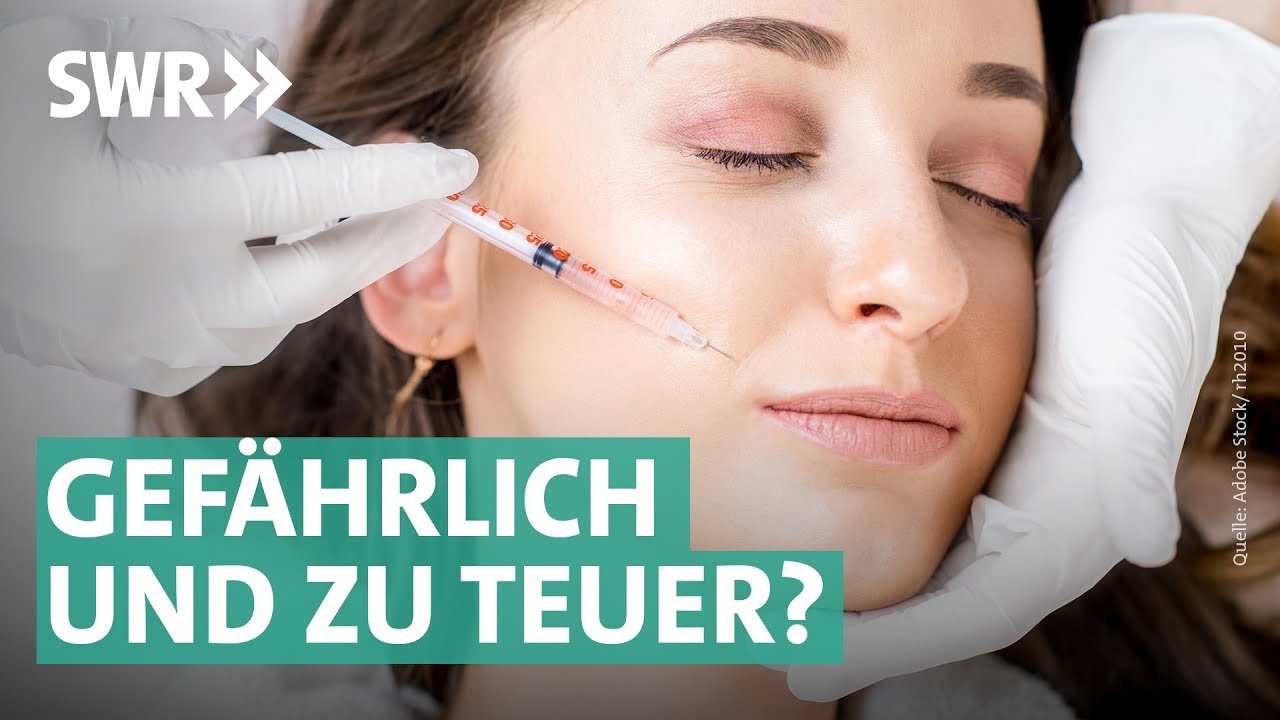
Combining medical and cosmetic goals
Once you bring botox into the conversation, patients often ask about other areas - a hint of a frown line, a habit of scrunching the nose that creates bunny lines, or the gentle enhancement of a botox lip flip. It is entirely possible to coordinate cosmetic botox for forehead lines, crow’s feet around eyes, and 11 lines between the brows with medical treatment for sweating. The key is thoughtful dosing and sequencing. If we are treating the forehead for both sweating and wrinkles, I draw a map that respects your brow position. A subtle eyebrow lift is welcome, a heavy lid is not.
For men and women, the aesthetic goals differ. Men often want to keep stronger forehead movement and avoid over-smoothing, while still taming sweat at the hairline. Women may prioritize makeup staying put under hot lights. Age matters less than pattern and function. There is no best age for botox when the primary aim is reducing hyperhidrosis. I have treated competitive athletes in their 20s and executives in their 60s. The right time is when sweat limits your life and simpler measures have failed.
Realistic expectations and the “before and after” mindset
The most honest before and after with botox for hyperhidrosis is a calendar and a shirt. Before, your shirt is damp by mid-morning. After, it is dry until late afternoon, sometimes all day. Before, you keep napkins in your pocket. After, you forget they are there. You will still sweat with a hard workout or a blistering day on the beach. That is normal. What changes is the baseline and the predictability. Many patients call the confidence boost out of proportion to the physical change, because it frees them to stop thinking about sweat every hour.
Photos do not capture this well, which is why botox reviews and testimonials for hyperhidrosis read differently than cosmetic ones. Instead of fine lines and a natural botox look, people talk about shaking hands without worry, or wearing colors beyond black and navy. Those are the results that stick.
Choosing a qualified provider
This is not a place to cut corners. You want a clinician who performs both cosmetic and medical botox regularly, understands intradermal technique, and has managed edge cases. Titles vary - dermatologist, plastic surgeon, facial plastic surgeon, trained internist, nurse practitioner, or physician assistant - but the throughline is training, experience, and outcomes. Ask how many hyperhidrosis cases they treat per month, how they handle palmar injections, and what complication rate they see. A botox certified injector with a track record will be happy to answer.
Beware of clinics that advertise deep botox deals without clarity on dose or brand. Look for a botox clinic or medical spa that documents botox appointment steps, keeps sterile technique, and invites you back for reassessment. A good botox doctor or nurse injector takes pride in measured dosing, not maximal vials. You are not buying a commodity. You are hiring judgment.
My practical tips from the chair
I tell patients to plan their first treatment at a time when a small bruise or a day of sensitivity will not derail anything important. If you are presenting on stage Friday, do not inject Wednesday. If you are trying palmar treatment and your job demands grip strength, schedule late in the week so you can test how you feel over a weekend. Give yourself two weeks to judge results before making decisions about botox maintenance or rebalancing units.
For athletes, coordinate around training blocks, especially for palms and soles. For those with sensitive skin, pretreating with a gentle barrier cream around but not on the injection grid can reduce irritation. And do not forget the basics. Even after a great result, keep a clinical antiperspirant on the shelf. On a heat wave day, a couple of taps under the arms can extend the smooth dryness.
Frequently asked context questions, answered plainly
People ask whether botox for migraines and botox for hyperhidrosis can be done in the same cycle. Yes, but dosing and sites differ, and insurance rules are another layer. We separate visits or document carefully.
They ask if botox around eyes for crow’s feet will reduce sweat in that area. Somewhat, though those injections are deeper and muscle focused. If periocular sweating is the main issue, we tailor intradermal placement along the lateral canthus and temples, with respect for smile dynamics.
They ask if botox for jawline or masseter reduction, a popular cosmetic request for facial slimming or bruxism, affects sweating. Not meaningfully. That is a deep muscle treatment. It can be combined with hyperhidrosis therapy on a different day.
They ask how often to get botox once they start. Most return every four to seven months for underarms. Palms may need closer to four months. There is no penalty for waiting until sweat returns. If anything, spacing botox procedures New Jersey out helps you understand your personal duration curve.
They ask about the difference between botox and fillers. Fillers add volume. Botox relaxes muscle or, in this case, quiets sweat glands. For hyperhidrosis, fillers play no role.
Lastly, they ask whether baby botox or micro botox applies to sweating. Those terms refer to smaller, strategically placed doses for a subtle cosmetic effect. For sweat control, dose is dictated by surface area and gland density, not a marketing label. We still use micro droplets, but the total units are rarely “baby.”
When hyperhidrosis is not just about sweat
Occasionally, what looks like heavy sweating is actually a skin barrier or infection issue. Macerated skin in the under-breast fold can reflect friction and poor airflow more than gland overactivity. Palmar moisture with peeling skin might be eczema or contact dermatitis. A thoughtful exam matters. If botox is not the right choice, a qualified provider will pivot to the correct diagnosis rather than push ahead.
There are also times when we pause. If you are on blood thinners, we review bleeding risk and the practicality of holding them. If you have an active skin infection, we clear it first. If your sweating began with a new medication, we explore alternatives. These guardrails are not obstacles, they are the scaffolding of safe, effective care.
The bottom line that matters
Hyperhidrosis steals attention from the moments that deserve it. Botox gives that attention back. It will not freeze your entire sweat response, and it will not solve every warm day problem. What it does, reliably in trained hands, is turn an unpredictable flood into a manageable, forgettable background function. For most of my patients, that shift is worth returning for twice a year.
If you are ready to explore it, schedule a botox consultation with an experienced injector, ask direct questions about dose and mapping, and set a realistic budget. Bring a spare shirt to the first visit if only to remind yourself what you plan to leave behind. The simple pleasure of raising your arm to wave without a second thought is a small thing that changes everything.